
You are here: Home1 / News2 / Cement News3 / Advanced Wear Solution Transforms SRF Ducting Performance
Welding Alloys has successfully delivered a significant performance improvement for a customer in the cement industry through the application of advanced ceramic-lined ducting, demonstrating the value of engineered wear solutions in high-abrasion environments.
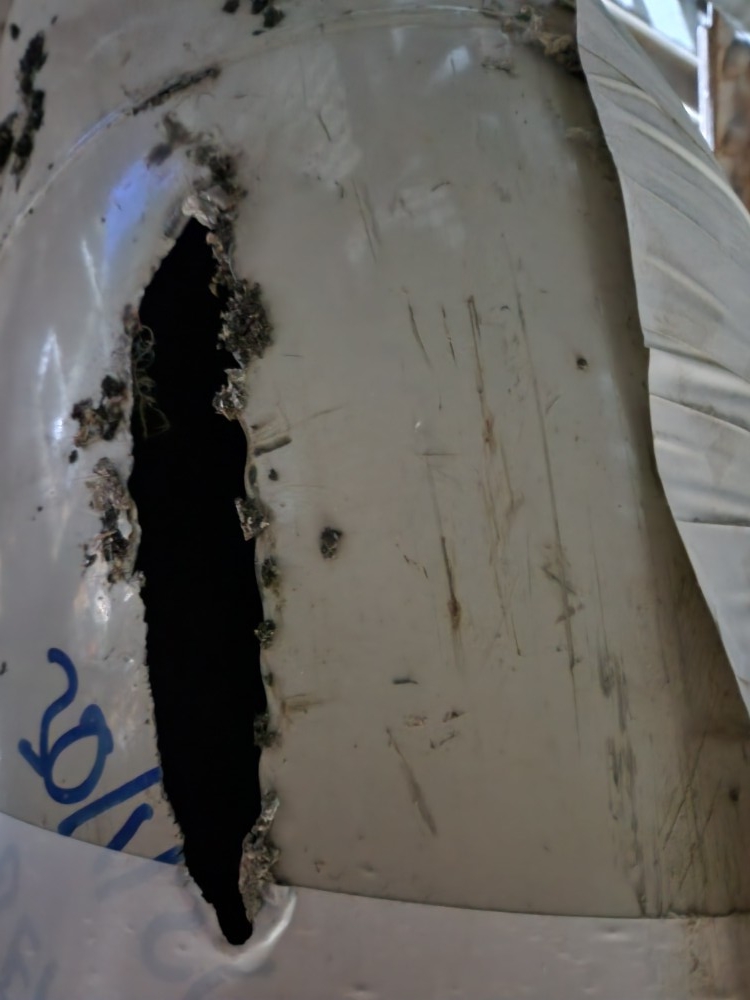
The application focused on ducting used to transport solid recovered fuel (SRF) to the kiln. Due to the nature of the process, these bends are exposed to continuous abrasive wear, typically resulting in a short operational lifespan. Conventional untreated bends were lasting between 500 and 700 hours, creating frequent maintenance interventions, increased downtime, and ongoing replacement costs.
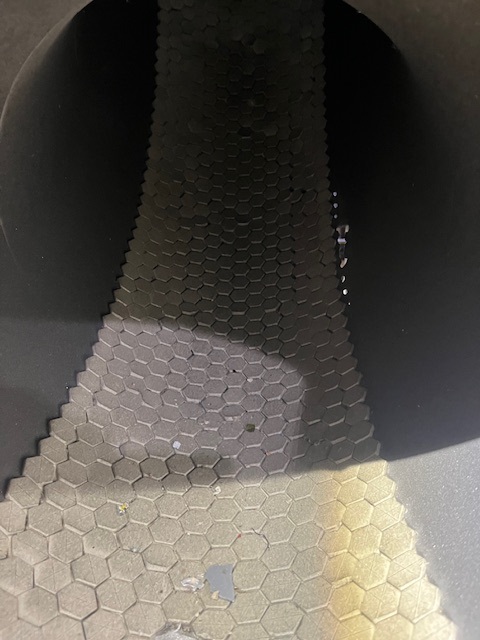
Initial trials using alternative protection methods provided only marginal improvements. However, by implementing a tailored solution incorporating ceramic lining technology, Welding Alloys was able to significantly extend component life while maintaining the lightweight requirements critical to the installation.
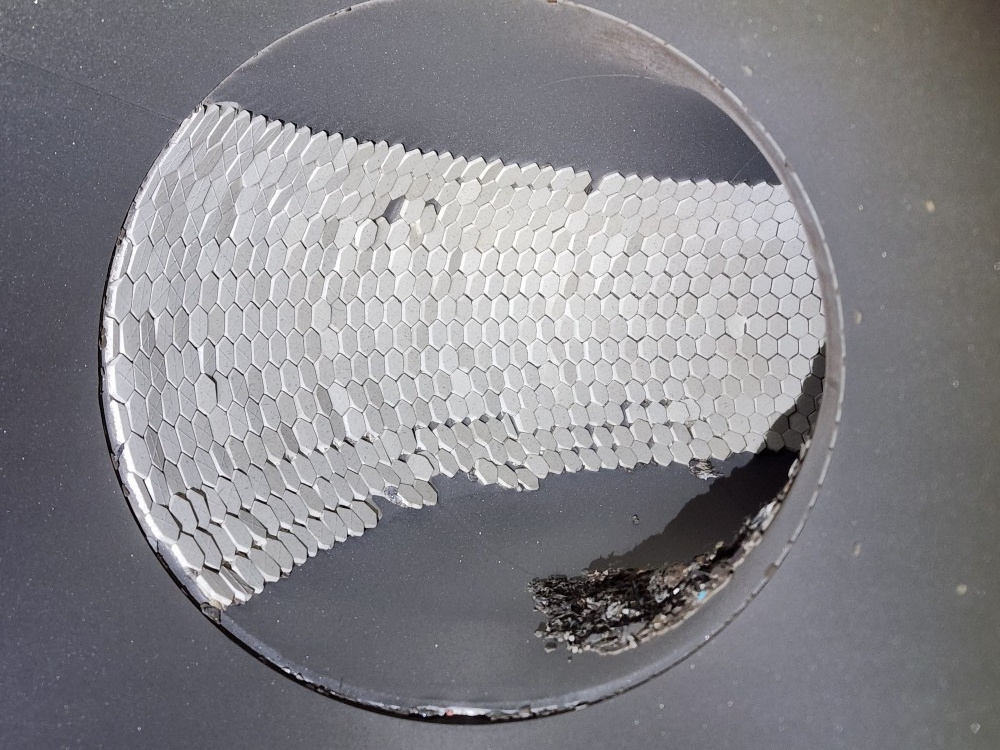
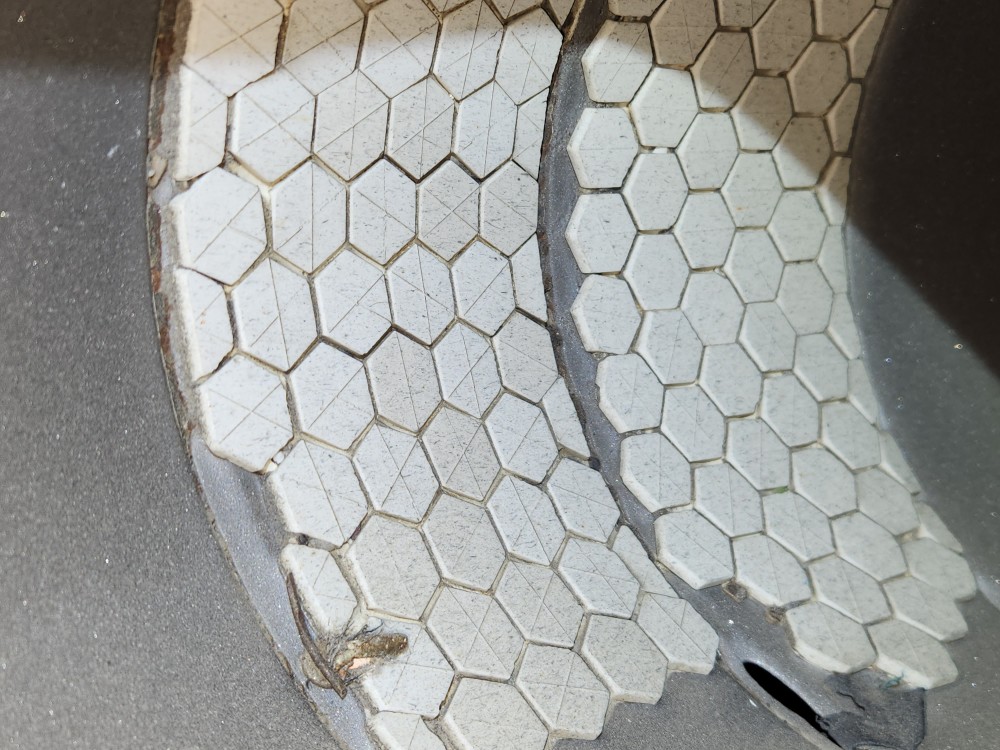
Following installation, the treated bends have now exceeded 2,500 hours of operation, already delivering more than four times the lifespan of untreated components. Inspection results confirm that the ceramic lining remains in strong condition, with over 50% of the original thickness still intact and minimal tile displacement observed. Based on current wear rates, the components are expected to achieve up to 5,000 hours of service life, representing a substantial increase in operational efficiency.
This improvement is particularly noteworthy given the constraints of the application. The ducting is located in an area without crane access, requiring components to be manually handled. As such, any wear solution must balance durability with weight considerations. The selective placement of ceramic lining in high-wear zones ensured optimal protection without compromising handling requirements.
Further optimisation has also been identified through the trial. Observations indicate that material flow does not always remain central within the bend radius, leading to localised wear at the edges of the lined area. As a result, future designs will incorporate a wider ceramic coverage to ensure full protection across the entire wear profile. This iterative approach reflects Welding Alloys’ commitment to continuous improvement and application-specific solutions.
The success of the trial has already led to a confirmed follow-up order for a larger number of components, underlining the customer’s confidence in the solution and its long-term value. Beyond the immediate performance gains, the extended service life significantly reduces maintenance frequency, lowers total cost of ownership, and contributes to improved plant reliability.
This case study highlights the importance of selecting the right wear protection strategy for each application. By combining technical expertise, advanced materials, and a deep understanding of operating conditions, Welding Alloys continues to support customers in achieving measurable improvements in performance and productivity.
The project also reinforces the role of advanced wear solutions in supporting more sustainable operations. By extending component life and reducing material consumption, customers can minimise waste and improve overall process efficiency—key priorities across the cement industry.
Gallery